Chapter I
Born into the bandstand
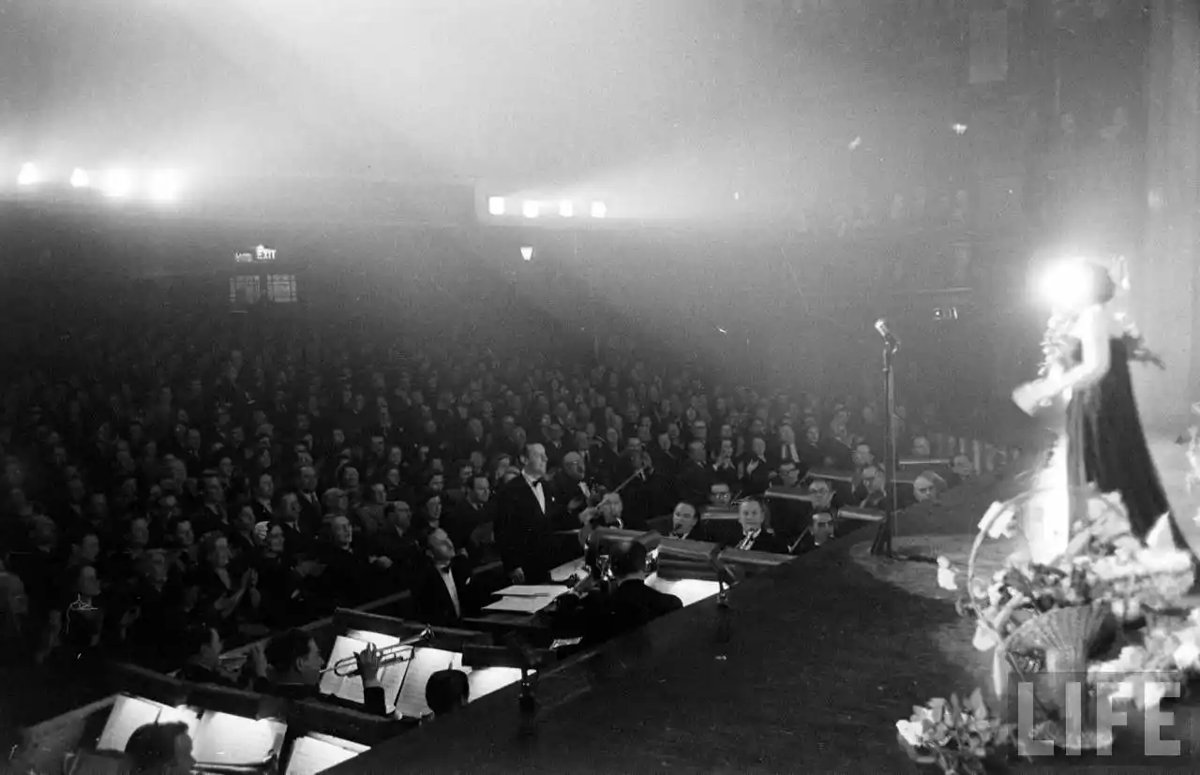
John Altman was born in London on 5 December 1949. His father was a social worker and a Labour Party activist, but his mother's side of the family was all music, and that was the side that shaped him.
His uncle Woolf Phillips was bandleader and MC at the London Palladium in the golden age of variety. He arranged and conducted for Judy Garland, the Marx Brothers, Frank Sinatra, Nat King Cole, Duke Ellington, Benny Goodman, Danny Kaye and Dean Martin. His uncle Sid Phillips wrote for the Bert Ambrose Orchestra, played in Louis Armstrong's British All Stars and led Britain's best-known Dixieland band. So the big band music of the 1930s and 40s wasn't history to young John. It was simply what the family did.
The musical line carried on into his own generation. His cousin Simon Phillips became one of the world's great rock drummers, spending many years with Toto before leading his own Grammy-nominated band, Protocol.
Chapter II
A saxophone at thirteen
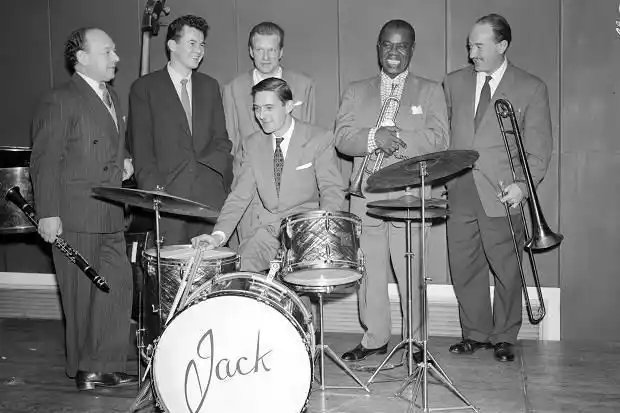
Apart from piano lessons as a child, John never had any formal musical training. At 13 he bought a saxophone, and the story goes that he played his first gig the very next night. It set the pattern for the rest of his life: say yes first and work it out on the bandstand.
He went to the City of London School and left in 1967. Looking back, he has said he never meant to have the career he has had. It all fell into his lap: right place, right time.
Chapter III
Sussex, sessions and the blues boom
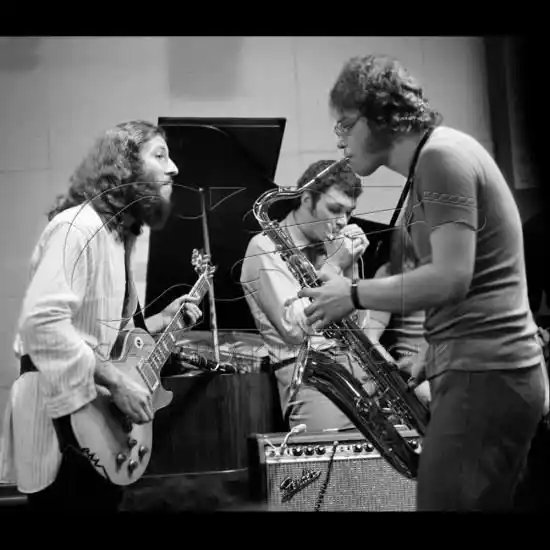
At the University of Sussex, John was already doing session work and gigs with Peter Green and other members of Fleetwood Mac, as well as with Kevin Ayers and John Martyn. The university later made him its first ever Creative Arts Fellow and, in 2012, gave him an honorary Doctorate of Music.
As a young saxophonist for hire he played with an astonishing roll call: Jimi Hendrix, Bob Marley, Eric Clapton, Phil Collins, Little Richard, Muddy Waters, Nick Drake, Jimmy Page, the Comets and Spencer Davis among them.
Chapter IV
Hot Chocolate and Van Morrison
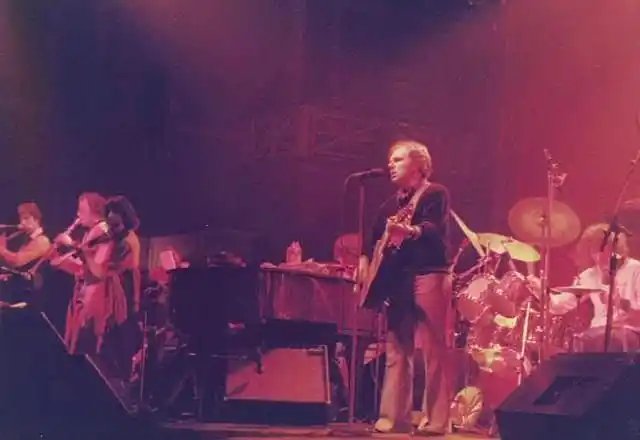
His studies at Birkbeck College were cut short when Hot Chocolate asked him to be musical director and sax player for their concert tours. He left to spend two years on the road with Errol Brown and the band.
Then came Van Morrison, one of the defining partnerships of his early career. For years John was Van's musical director, arranger and reed player.
Chapter V
The arranger behind the hits
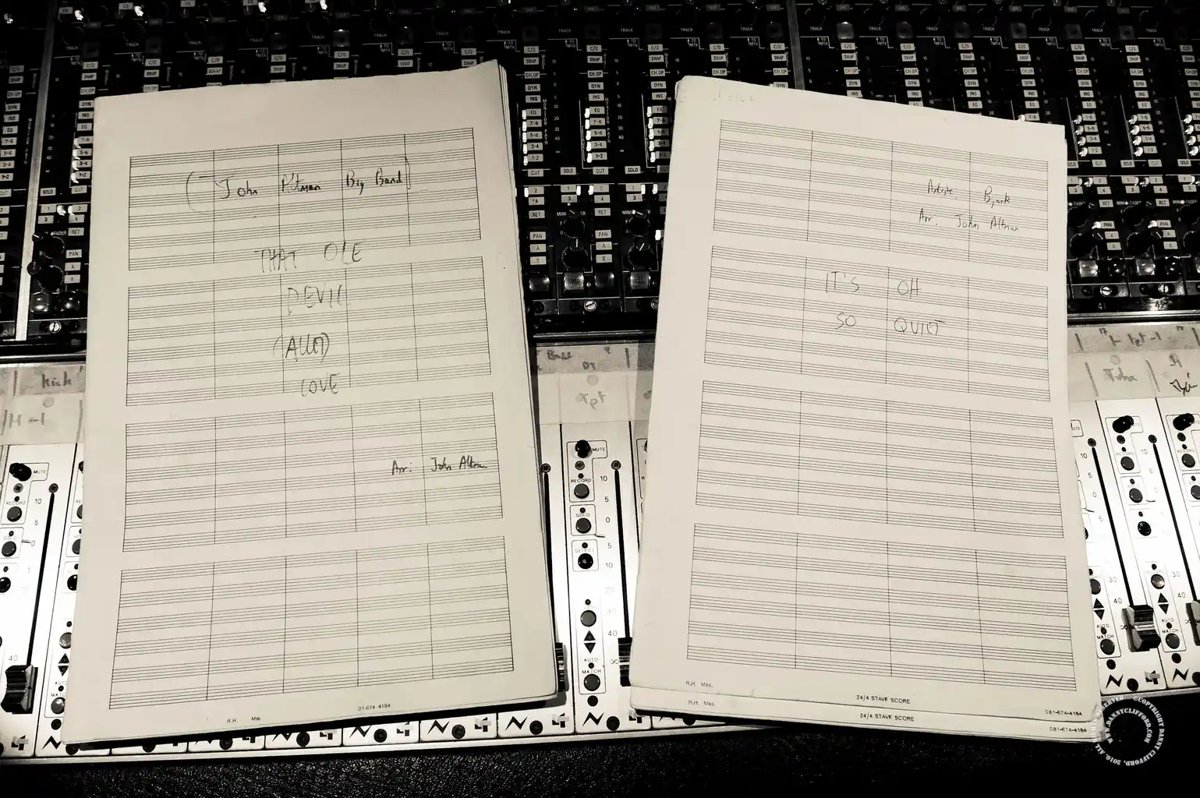
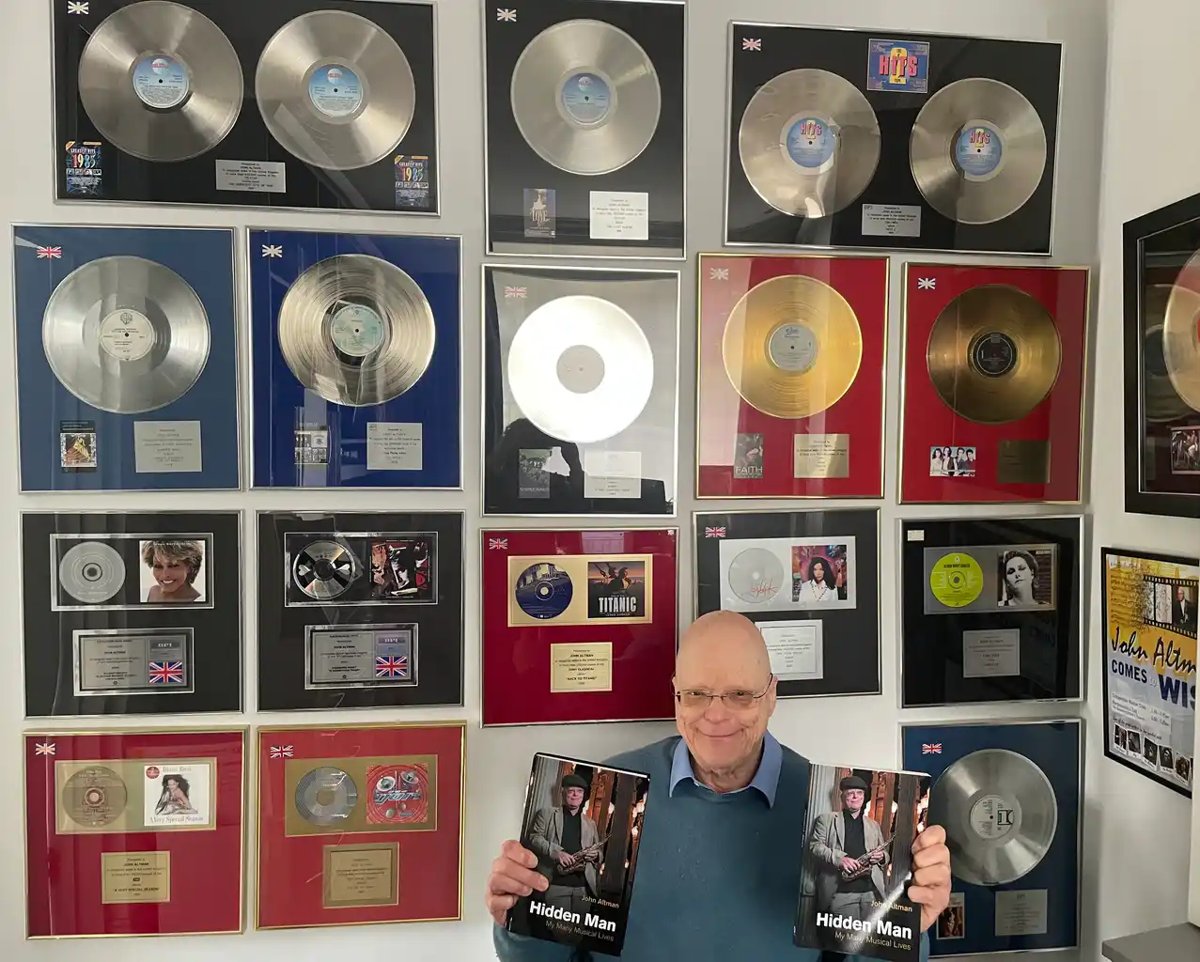
In the mid-1970s John started arranging and conducting, and he soon became one of the most in-demand arrangers in British pop. He has his name on 19 platinum records.
His hit records include Aled Jones's Walking in the Air, Alison Moyet's That Ole Devil Called Love, George Michael's Kissing a Fool (from Faith, which won the Grammy for Album of the Year), Björk's It's Oh So Quiet and Goldie's Saturnz Return. He has also written for Simple Minds, Barry White, Tina Turner, Diana Ross, Tom Jones, the Pretenders, Rod Stewart and Michael Jackson. More recently he has worked on arrangements with Mark Ronson and Miles Kane.
In 1981 he played keyboards in the all-star band at The Secret Policeman's Other Ball, Amnesty International's benefit at the Theatre Royal, Drury Lane, alongside Clapton, Jeff Beck, Sting and Phil Collins. He also co-arranged I Shall Be Released with Sting for the live album.
Chapter VI
Always look on the bright side
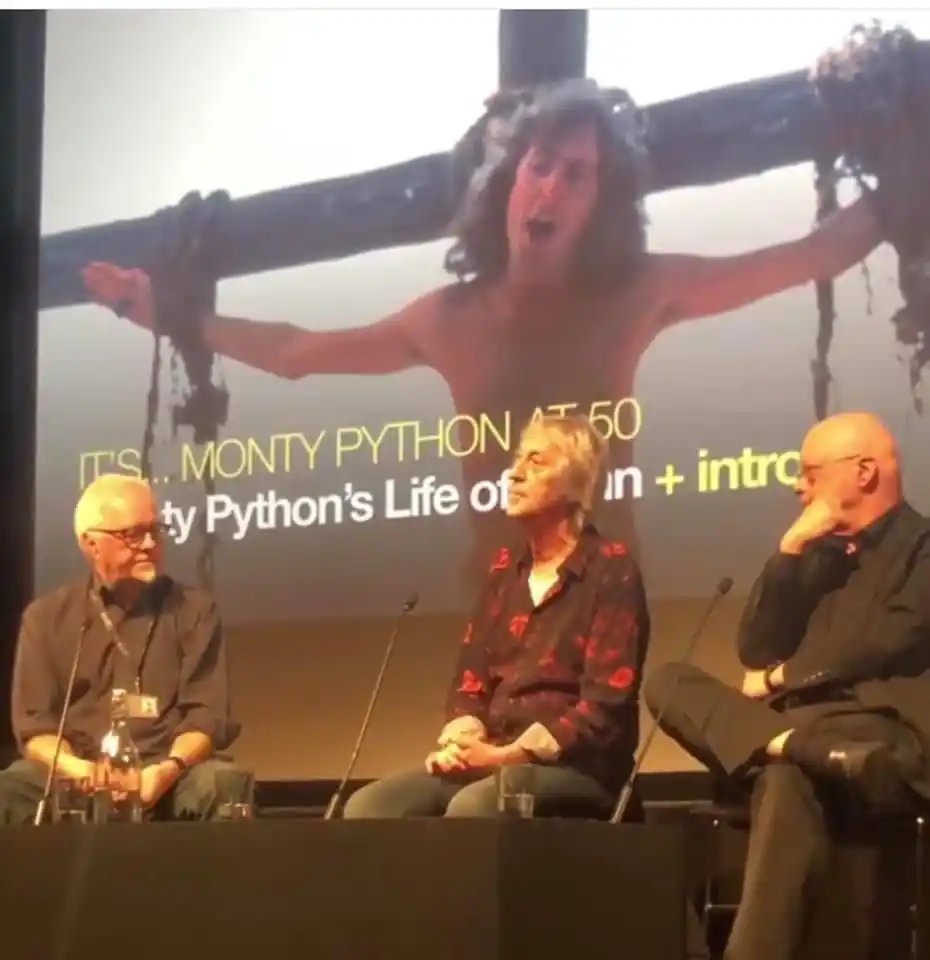
Film came early. In 1978 John worked on Just a Gigolo and began his long association with Monty Python. For Life of Brian (1979) he arranged, conducted and whistled on Always Look on the Bright Side of Life. It has since been voted the most popular comedy song of all time, and oddly it is also the song most often played at funerals.
He worked with Neil Innes on the music for The Rutles: All You Need Is Cash, and it was Terry Gilliam who gave him the nickname that became the title of his memoir: the Hidden Man.
Chapter VII
Hollywood, Bond and Titanic
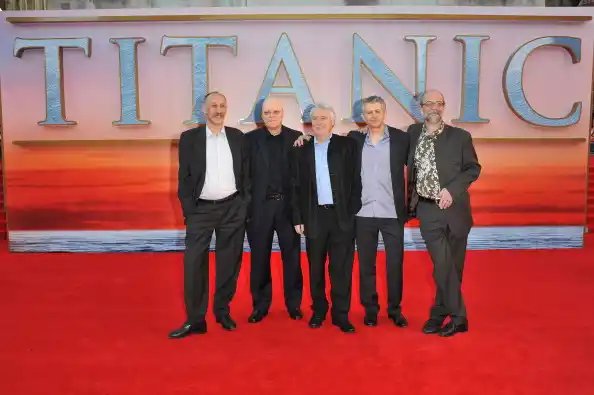
Across more than 50 films as composer, arranger and orchestrator, John built a remarkable screen career. He won a BAFTA for Hear My Song, and a Golden Globe for his orchestration work on The Sheltering Sky and Léon: The Professional. He won an Emmy for his score to HBO's RKO 281, the story of Citizen Kane, and received a second Emmy nomination for The Roman Spring of Mrs. Stone.
He scored the tank chase through St Petersburg in GoldenEye (1995). For James Cameron's Titanic (1997) he wrote and produced all the period music, including the ballroom scenes and the band that keeps playing as the ship goes down. Other credits include Little Voice, which earned a Golden Reel nomination, Funny Bones, The Matchmaker, King of Texas, Fidel, Vendetta and Miramax's Shall We Dance?, which brought him an ASCAP award.
In 2015 he wrote a 100-minute score for the restored 1928 silent film Shooting Stars, premiered at the Odeon Leicester Square as the London Film Festival gala. And Bond came back for him: on No Time to Die (2021) he arranged and conducted at the request of Hans Zimmer, bringing big band brass into the score.
Chapter VIII
The hidden empire of commercials
Out of sight but everywhere, John has scored more than 4,000 TV commercials around the world. He wrote music for virtually all of Ridley Scott's big commercials during one period, and his library music can still be licensed through Audio Network.
Chapter IX
Monday nights at The 10 Room
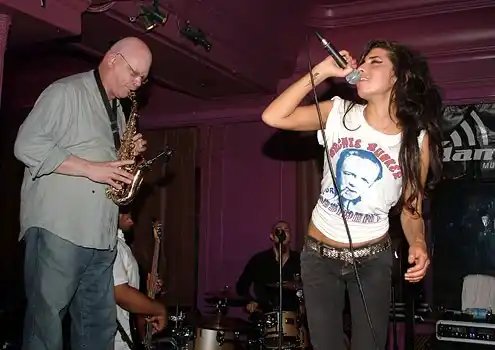
For years, John and Patrick Allen ran Monday nights at London's 10 Room, a jam where established stars sat in beside rising talent. Amy Winehouse was a regular. John Legend, Lionel Richie, Pharrell Williams and Tom Jones all turned up, and for many young musicians it was where a career began.
In August 2018 he was on stage with Prince's New Power Generation.
Chapter X
The jazzman
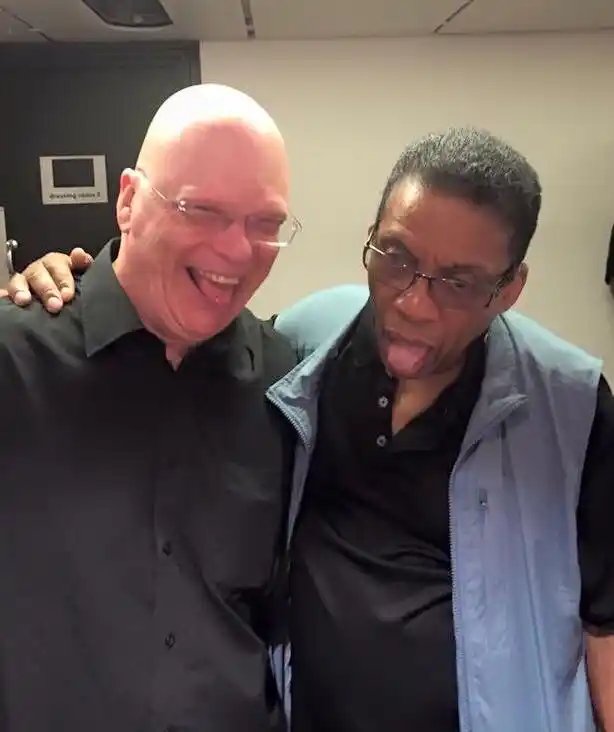
Through everything, John has stayed a jazz musician. He has played with Chet Baker, Slim Gaillard, Quincy Jones, Bud Freeman, Wild Bill Davison and Les McCann. He conducted the Stan Tracey Big Band and the Durham Cathedral Choir on an album of Duke Ellington's Sacred Music. The Los Angeles Times critic Don Heckman called him "one of the few film composers with authentic jazz skills."
The John Altman Big Band, founded in 1985, has played in the UK, the USA and Australia, and celebrated its 40th anniversary at Pizza Express Dean Street in June 2025. John writes every arrangement the band plays. His latest jazz album is Pearls of Wisdom.
Chapter XI
Honours, and the Hidden Man
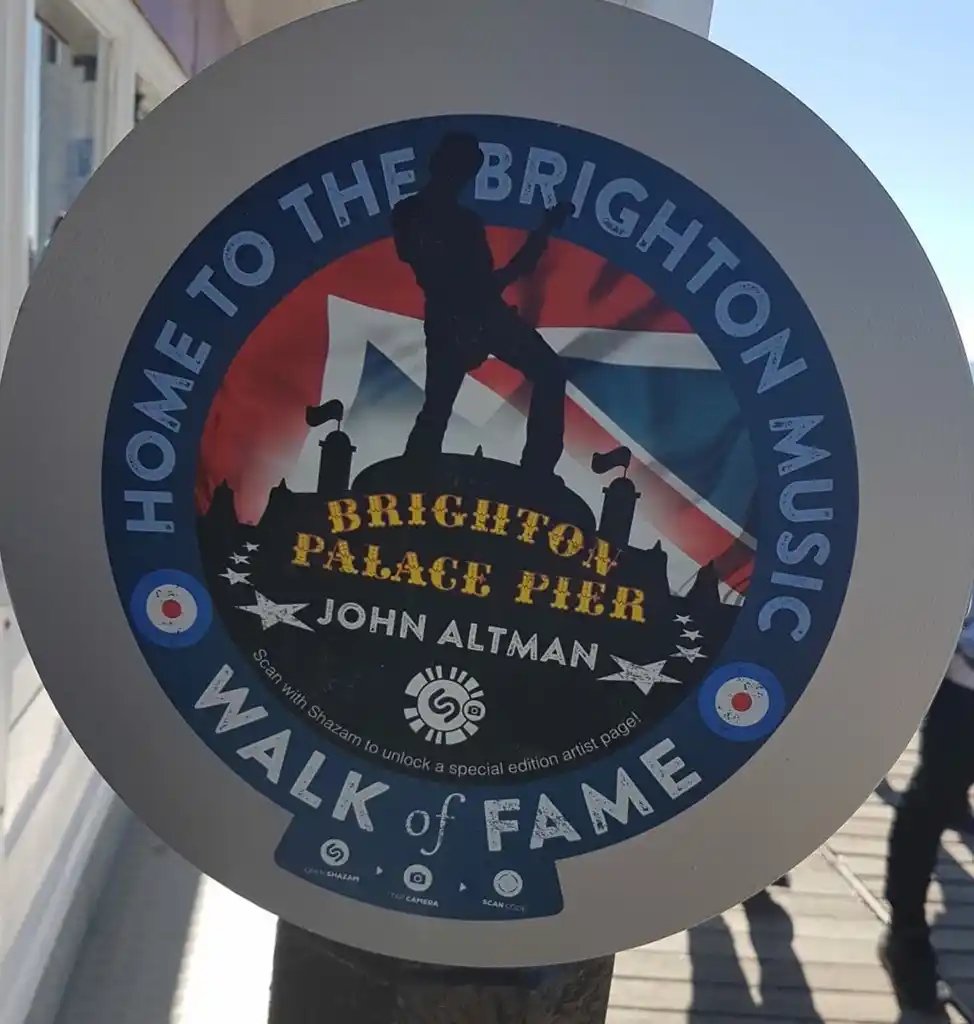
John has received the Gold Badge of Excellence from the British Academy of Songwriters, Composers and Authors, four Lifetime Achievement Awards (among them one from the Monaco Film Festival), and an honorary doctorate from Sussex. He is a patron of the National Jazz Archive, lectures at the National Film and Television School and other universities, and is a frequent guest conductor with the Royal Philharmonic Orchestra.
In February 2022 Equinox published his memoir, Hidden Man: My Many Musical Lives. "A remarkable life… did he ever sleep?" wrote John Bungey in his review. John calls it "a cornucopia of name-dropping": he has sat in a room with Charlie Chaplin and Frank Sinatra, and played with John Legend and Amy Winehouse.
Looking back, his own summary is simple. A strange career, no plan, just yes. And most of the important things in it didn't look important at the time.